Step into the forefront of diabetes innovation with the ATTD–Abbott School 2026, now available on demand. Whether you missed the live sessions or want to revisit key insights, our video library brings together world-class experts to explore the latest advances shaping modern diabetes care.
From the evolving role of continuous glucose monitoring (CGM) as a diagnostic and clinical tool to breakthroughs in automated insulin delivery and dual glucose-ketone sensing, this expert-led program delivers practical, real-world perspectives you can apply in clinical practice.
Dive into sessions covering early CGM adoption, inpatient use, quality standards, and personalised treatment strategies in type 2 diabetes – all designed to help you enhance outcomes and deliver more precise, patient-centred care.
Learn from global leaders. Gain actionable insights. Expand your clinical impact.
🎯 Program Highlights
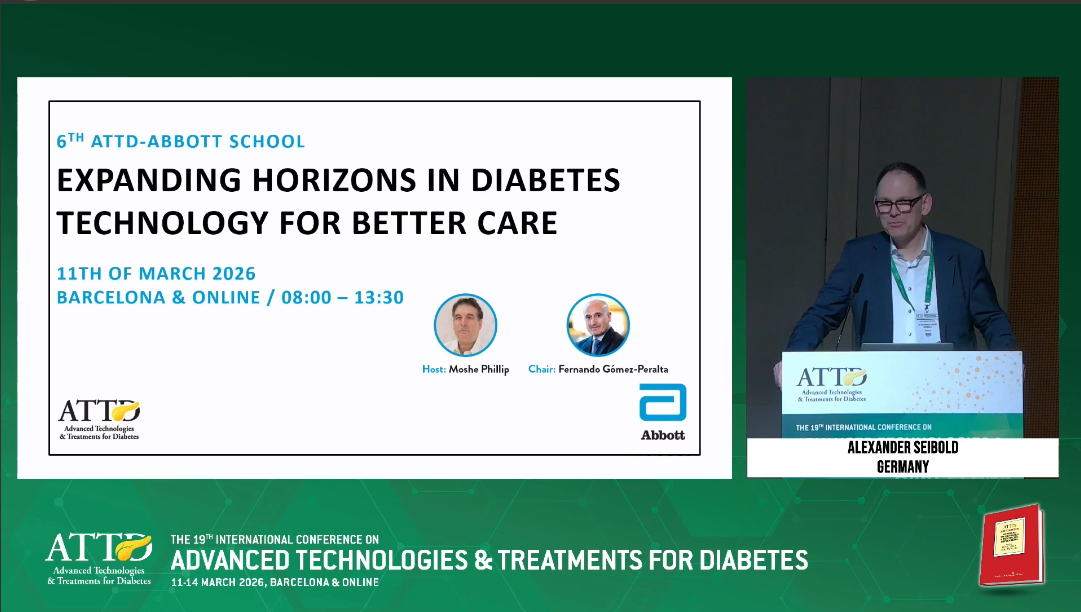
Opening remarks and introduction – 2026 
- Alexander Seibold – Germany
- Fernando Gómez Peralta – Spain
- Moshe Phillip – Israel
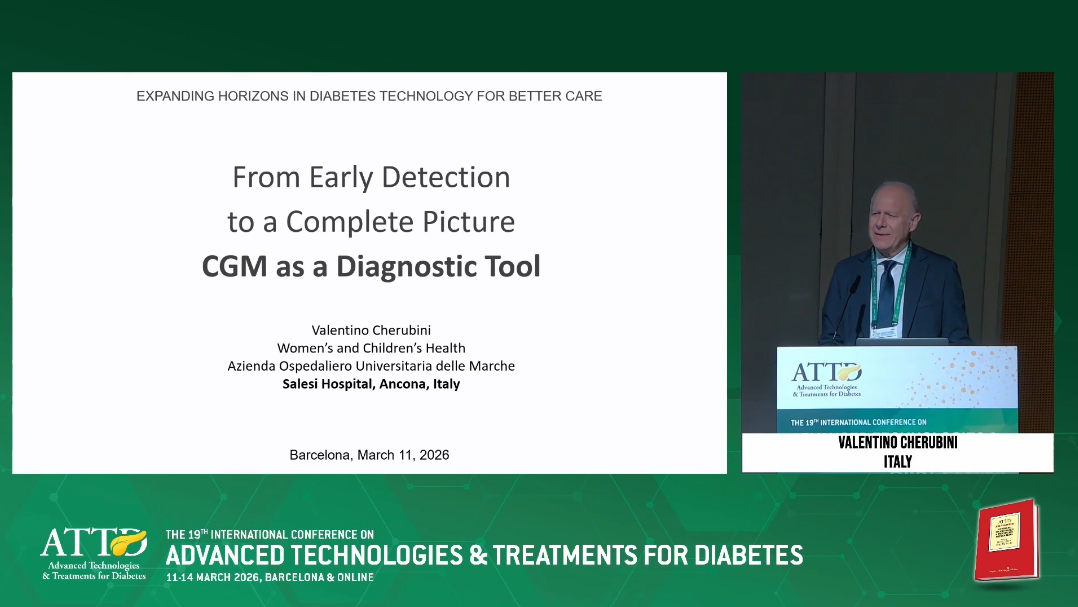
From Early Detection to a Complete Picture: CGM as a Diagnostic Tool
- Valentino Cherubini – Italy
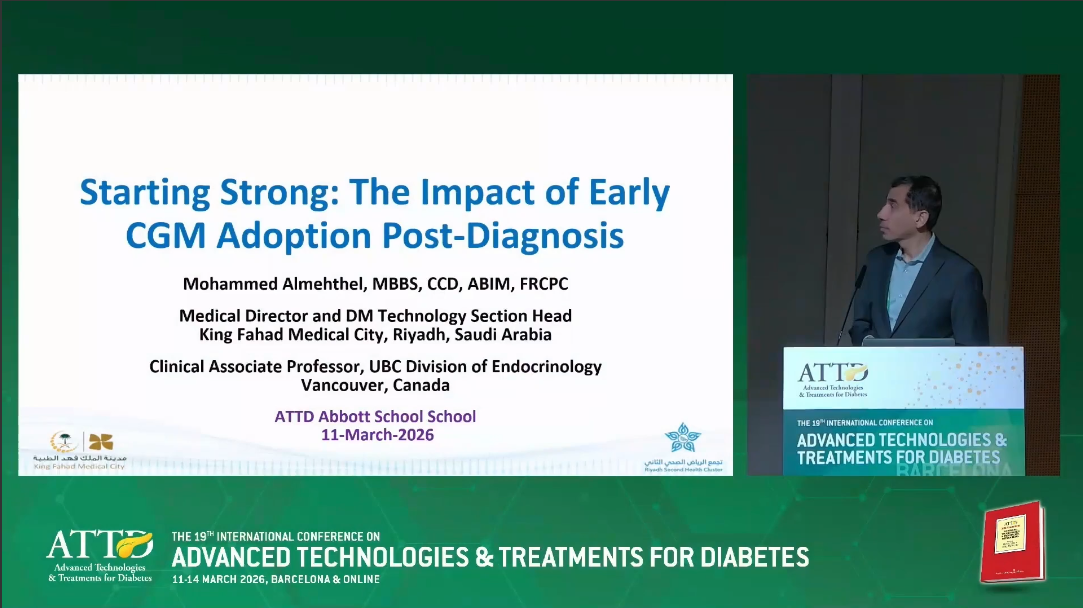
Starting Strong: The Impact of Early CGM Adoption Post‑Diagnosis
-
Mohammed Almehthel – Saudi Arabia
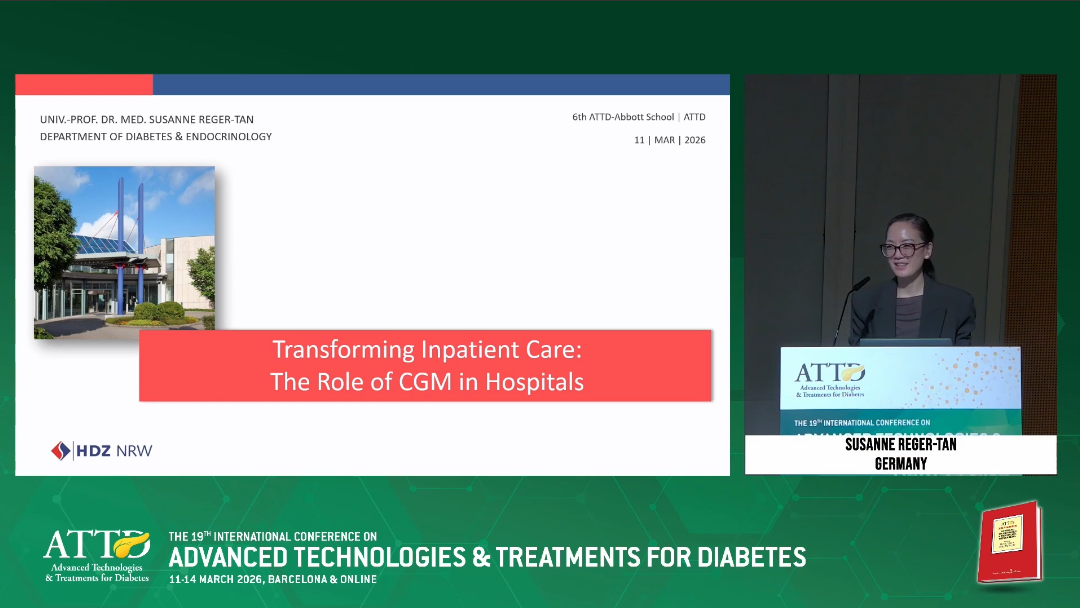
Transforming Inpatient Care: The Role of CGM in Hospitals
- Susanne Reger-Tan – Germany
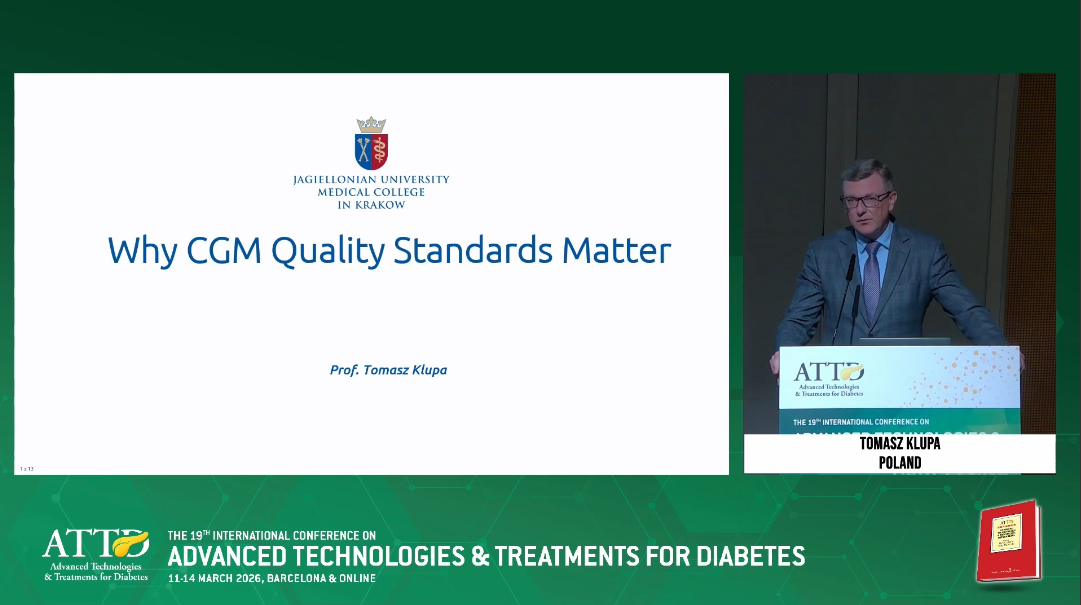
Why CGM Quality Standards Matter?
-
Tomasz Klupa – Poland
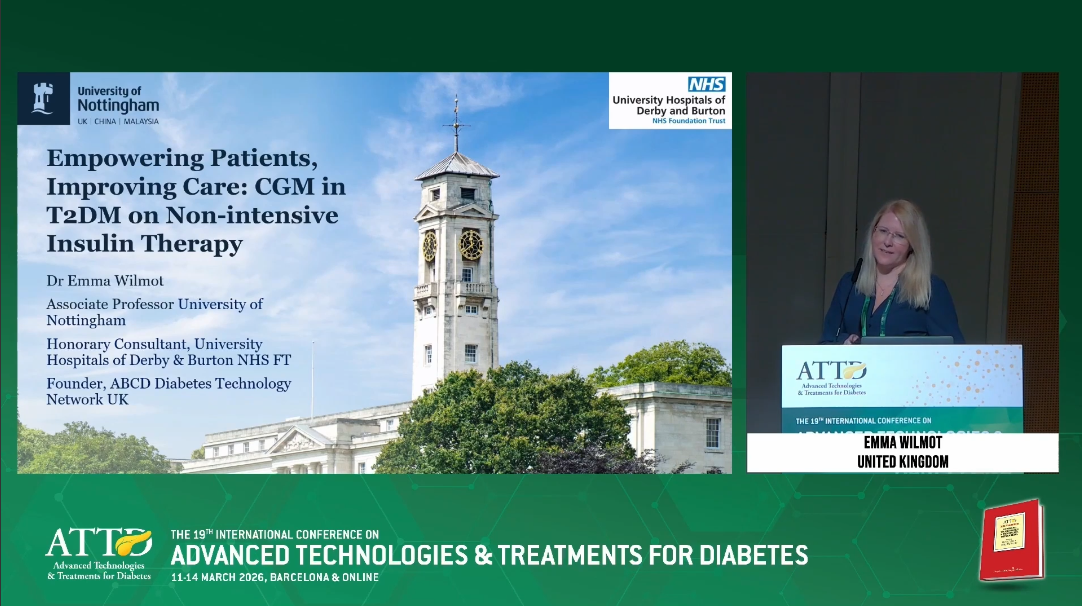
Empowering Patients, Improving Care: CGM in Type 2 Diabetes on Non‑Intensive Insulin Therapy
-
Emma Wilmot – United Kingdom
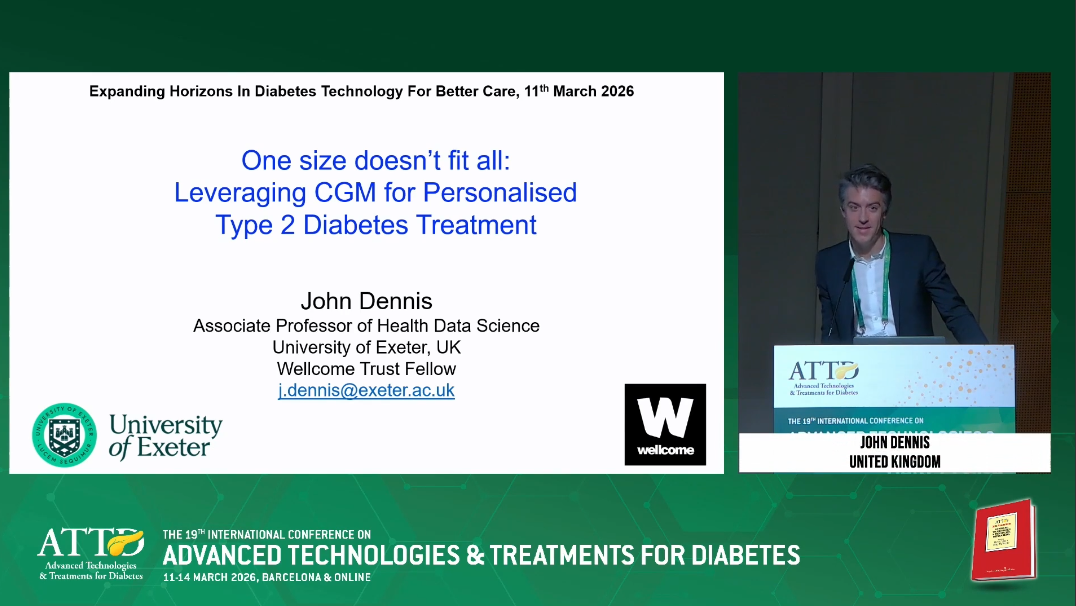
One Size Doesn’t Fit All: Leveraging CGM for Personalised Type 2 Diabetes Treatment
-
John Dennis – United Kingdom
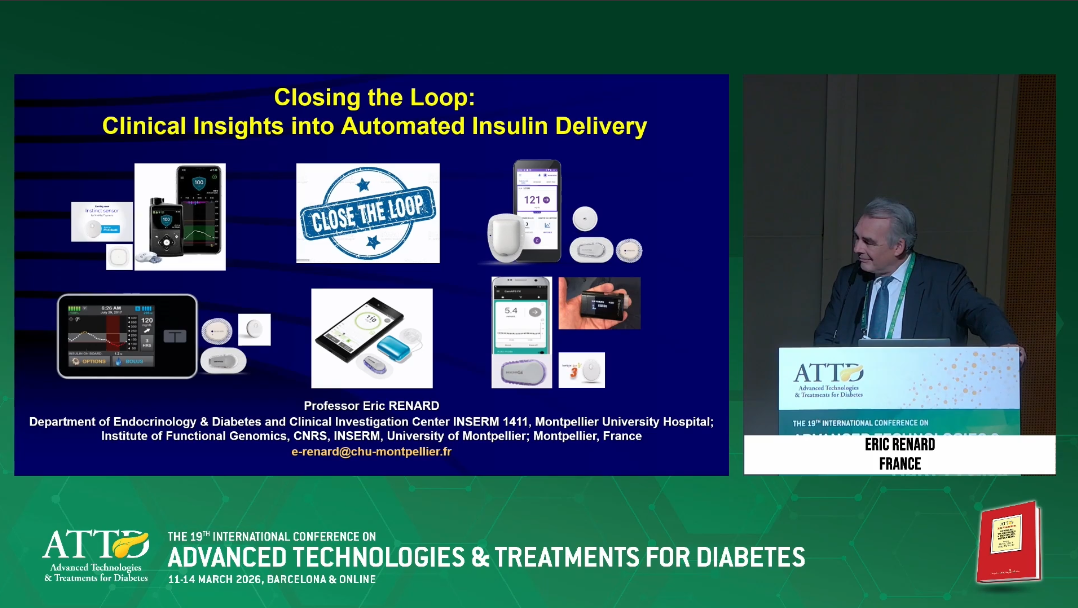
Closing the Loop: Clinical Insights into Automated Insulin Delivery
-
Eric Renard – France
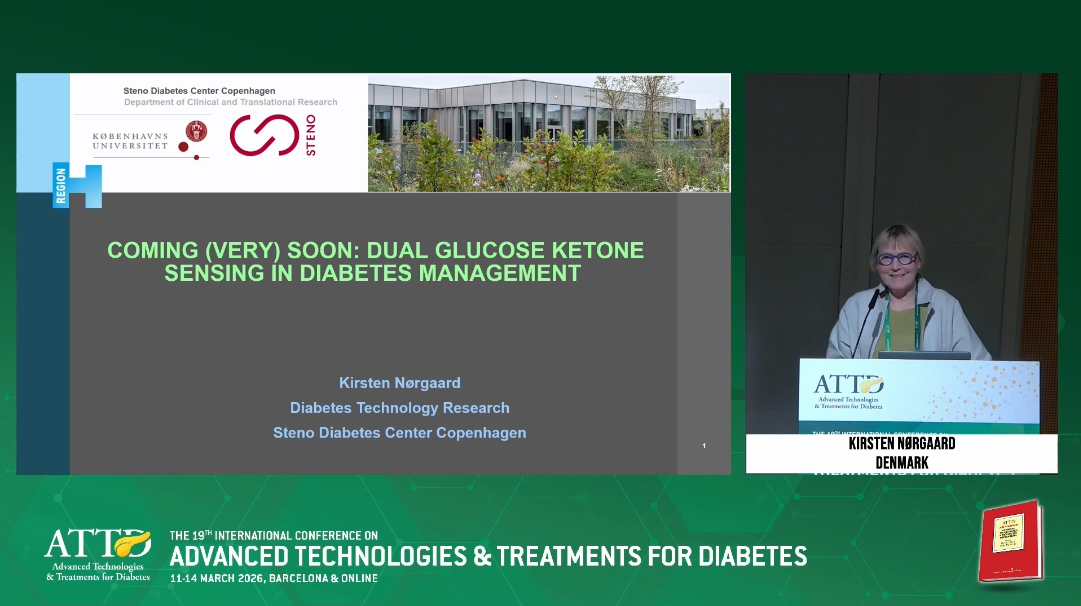
Coming (Very) Soon: Dual Glucose Ketone Sensing in Diabetes Management
-
Kirsten Nørgaard – Denmark
A Unique Learning Experience
The Abbott School 2025 created a unique space for learning, discussion, and collaboration – equipping healthcare professionals with the tools and perspectives needed to advance diabetes care.