At UNLOKall, we bring together leading voices shaping the future of patient care. Through our expert interviews, we explore real-world perspectives on emerging evidence, clinical practice, holistic approaches, and technology, helping healthcare professionals translate innovation into impact.
Meet the Expert
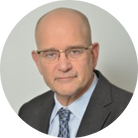
Dr. Avraham Karasik
Dr. Avraham Karasik recently participated in the live UNLOKall webinar The CaReMeLO Patient: Is a Holistic Approach Better than an Individual Disease Approach?. Watch the recording here.
Dr. Karasik is an expert in endocrinology and internal medicine, currently a Professor at Reichman University. Former Director of the Institute of Endocrinology at Sheba Medical Center, he has led major research in diabetes and metabolic disorders and served as principal investigator in numerous international clinical trials.
Looking Ahead
With cardiorenal, metabolic, and liver diseases on the rise worldwide, which trends and changes in management are you expecting in primary care in the coming years?
In the coming years, I anticipate a fundamental shift in primary care from a reactive, organ-centric model to a proactive, holistic approach in managing cardiorenal and metabolic (CaReMe) syndrome. The focus will increasingly be on early identification of at-risk individuals through more sensitive screening protocols and risk stratification tools integrated directly into primary care workflows. We will also see the broader adoption of newer therapeutic classes, even in patients without diabetes.
Key Gaps in Care
Which gaps in CaReMe management feel most urgent to address, and where could technology have the greatest impact?
The most urgent gap is the persistent disconnect between evidence-based guidelines and their implementation in routine clinical practice—a phenomenon often termed clinical inertia. We have a wealth of data from landmark trials, yet the translation of this knowledge to the front lines of patient care is lagging. Technology can be a powerful catalyst for closing this gap. Electronic Health Record (EHR) systems with integrated clinical decision support, for instance, can provide real-time prompts to clinicians, suggesting guideline-directed medical therapies based on a patient’s specific profile. Furthermore, telehealth platforms can facilitate seamless collaboration between primary care physicians and specialists, while patient-facing mobile applications can empower individuals to actively participate in their care through better adherence and lifestyle management.
Skills for the Future
Based on these anticipated trends, what should healthcare professionals learn and adapt to in primary care?
To meet the challenges of CaReMe syndrome, healthcare professionals in primary care must cultivate a deeper understanding of the intricate pathophysiological links between the cardiovascular, renal, and metabolic systems. It is no longer sufficient to manage diabetes, heart disease, and kidney disease as separate entities. Clinicians will need to become adept at interpreting data from a wider array of diagnostic tools and wearable technologies to inform personalized treatment strategies. Equally important will be the refinement of soft skills, particularly in shared decision-making, to help patients with multiple chronic conditions navigate complex treatment regimens and make informed choices that align with their life goals.
Motivation to Lead
You recently participated as the scientific lead in this learning programme—what motivated you to take part?
My motivation stemmed from a deep-seated commitment to the central role of family physician in managing the CaReMeLO large group of patients. This learning programme provided a unique opportunity to translate complex clinical trial data and guideline recommendations into practical, actionable knowledge for the primary care clinicians who are at the forefront of managing this growing patient population. Empowering them with the latest evidence is the most effective way to drive meaningful change at scale.
Staying Ahead
With AI, new therapies, and evolving guidelines, staying current can feel overwhelming. Why should clinicians take learning programmes like this to stay up to date?
In an era of information overload, the challenge is not a lack of data, but a surplus of it. Sifting through the noise to find what is truly relevant and practice-changing is a monumental task. Structured learning programmes like this one are indispensable because they provide a curated, evidence-based, and contextually relevant educational experience. They distill the most critical updates on new therapies, evolving guidelines, and emerging technologies like AI into a digestible format. More importantly, they offer an interactive learning environment where clinicians can engage with the material, learn from expert faculty, and discuss complex cases with their peers, which is a far more effective way to internalize knowledge and translate it into practice.
Message to the Community
My message is one of optimistic urgency. We are at a pivotal moment in the management of cardiorenal and metabolic diseases. We have the knowledge and the tools to change the natural history of this syndrome for millions of patients. I urge the entire healthcare community to embrace a more proactive, collaborative, and patient-centered approach. Let us work together to break down the silos between specialties, to overcome clinical inertia, and to empower our patients to be active partners in their care. Through a shared commitment to continuous learning and evidence-based practice, we can collectively reduce the immense burden of CaReMe syndrome and improve the lives of those we serve.
Learn from Dr. Avraham Karasik’s Expertise
The CaReMeLO patient: Is a holistic approach better than an individual disease approach?
Watch our one-hour, case-based webinar on-demand, exploring a holistic approach to managing diabetes, CKD, and cardiometabolic risk with expert guidance.
CaReMe Syndrome: Early Recognition and Diagnosis
Access the recorded webinar to hear leading experts in CaReMe syndrome provide clear, evidence-based answers to the diagnostic challenges you encounter in daily practice.